
Information printed clearly and consistently
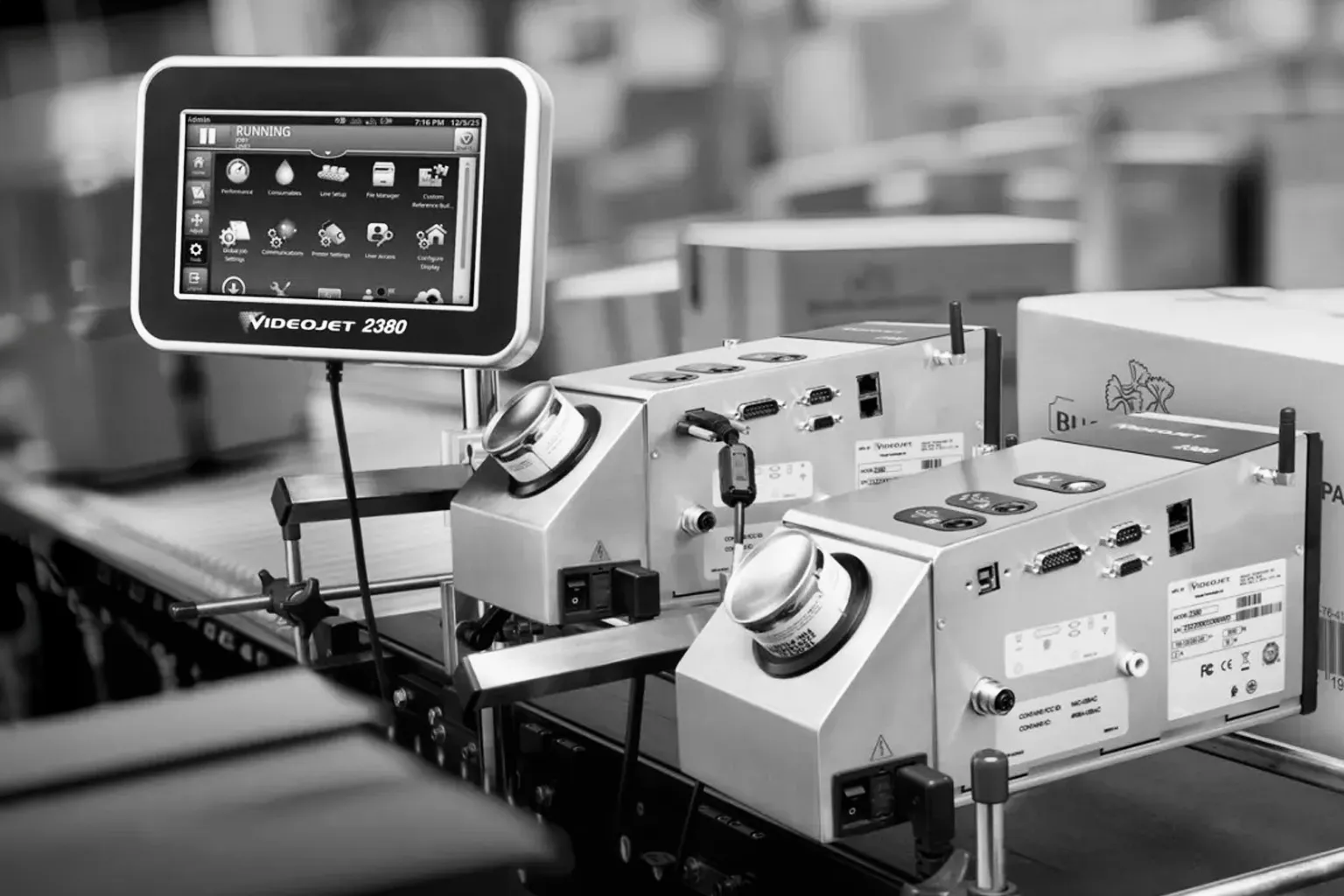
We ensure accurate marking and labeling of products and packaging, reducing identification errors, unplanned downtime, and rework through robust solutions integrated directly into existing production lines.
Contents
What is industrial marking?
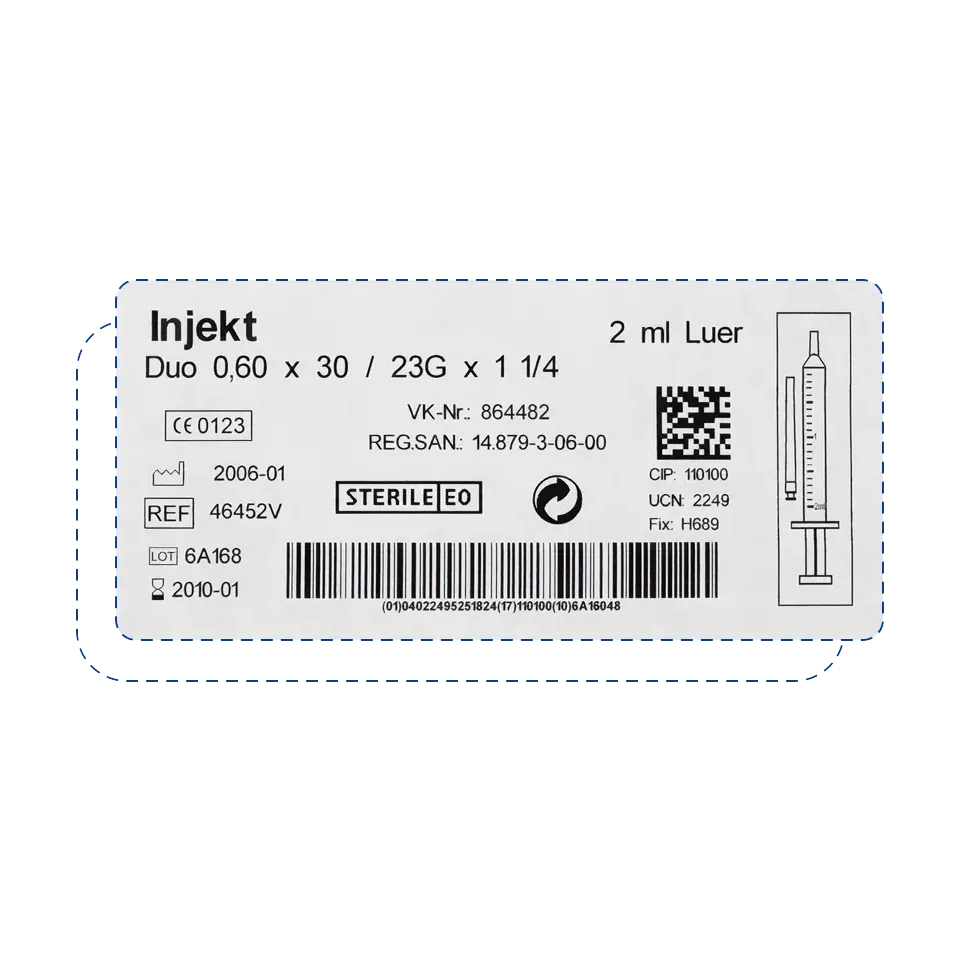
Industrial marking involves applying essential information directly to the product or its packaging in a legible, durable, and repeatable manner.
- production data
- lots and batches
- expiration dates
- 1D or 2D barcodes
- legal or internal information
It is neither a decorative element nor a minor detail of the process. It is part of the production control infrastructure.
Marking technologies: inkjet, laser, labeling.
How do you choose the right one?
The choice of marking technology should not start with the equipment, but with the product, the process, and the actual operational requirements. Inkjet, laser, and label marking solve different problems. Used correctly, each is effective. Used incorrectly, all become a constant source of costs and frustration.
Small-character inkjet
The CIJ is the standard solution for fast, continuous, and contactless marking on a wide range of materials. It excels on high-speed lines, handles irregular shapes and frequent product changes, and delivers reliable, legible codes.
Recommended for:
- High-speed, high-volume production lines that require contactless coding
- Printing on a wide variety of substrates, including curved or flexible surfaces
- Businesses seeking a versatile and cost-effective solution


Laser marking
It enables the creation of permanent, high-resolution codes directly on various materials, without the use of ink or ribbons. It is a clean and efficient solution for applications that require durable, reliable markings and minimal maintenance.
Recommended for:
- Permanent markings on cardboard, film, rigid plastics, aluminum, metal, and wood
- High-speed production lines, where uptime and reliability are critical
- Operations seeking to reduce the use of consumables and maintenance requirements


Heat transfer
TTO is the trusted solution for marking flexible packaging, delivering clear, high-resolution codes at today’s production speeds. TTO supports traceability, compliance, and variable data printing, streamlining operations and reducing reliance on pre-printed packaging.
Recommended for:
- Durable, high-quality codes on films, bags, and flexible packaging
- Reliable performance in high-speed production lines
- Operations that value easy integration and quick maintenance during changes


Thermal inkjet
TIJ produces clear, high-resolution codes and barcodes that are applied directly to boxes, bags, and flexible films. It is a clean, low-maintenance solution ideal for expiration dates, lot numbers, 2D codes, and logos, ensuring readability and compliance on primary packaging.
Recommended for:
- Clear, machine-readable codes on boxes, bags, and flexible films
- Fast and efficient marking with minimal maintenance requirements
- Tasks that require simple cartridge changes and clean, smudge-free printing


Large-format inkjet
LCM is a cost-effective solution for printing variable data, graphics, and barcodes online, directly onto porous surfaces such as cardboard and corrugated packaging. LCM helps reduce inventory and waste, increases productivity, and provides clear, well-defined codes for logistics and traceability without the need for pre-printed labels or boxes.
Recommended for:
- Boxes that require large, legible codes for logistics and traceability
- High-speed lines where the goal is to reduce manual intervention and labeling costs
- Operations that value the flexibility of double-sided printing or large-format printing


Labeling
It delivers clear, high-resolution barcodes and text on demand, making it an ideal choice for identifying products and boxes when accuracy and compliance are essential. The system’s versatility and the use of thermal transfer printing on a variety of label types and sizes ensure consistent, easily scannable results that meet retailers’ strict requirements.
Recommended for:
- Accurate and compliant labeling on boxes, cartons, and other eCommerce packaging
- High-speed lines that require automatic and reliable label application
- Operations that require flexibility in the size, type, and placement of labels


Marking applications on various products and packaging
Marking and labeling are part of nearly every production process, regardless of industry or packaging type. The challenge isn’t a lack of technology, but rather choosing the right solution for the material, shape, and actual production pace.
Marking applications always start with the substrate. Cardboard, glass, rigid plastic, flexible film, metal, or extruded packaging all behave differently during the marking process. A technology that works well on cardboard may be ineffective or unreliable on film or curved surfaces.
Metal packaging and aluminum cans

Retail-ready packaging
Solid board
Solid board packaging includes folding cartons and coated board, which are commonly used in the packaging of food and beverages.
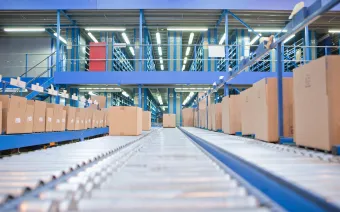
Corrugated cardboard
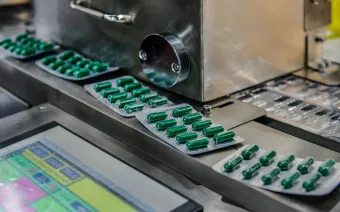
Direct contact with food and medicines
Food and medicines intended for consumption, or their packaging, which must comply with additional safety requirements.
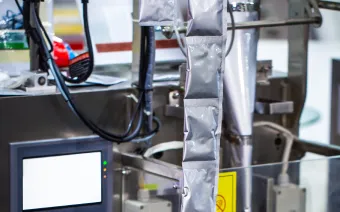
Flexible film, aluminum, and labels
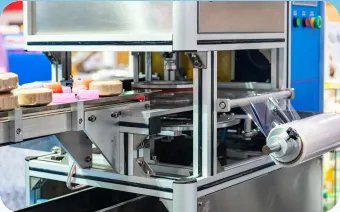
Heat-shrinkable film
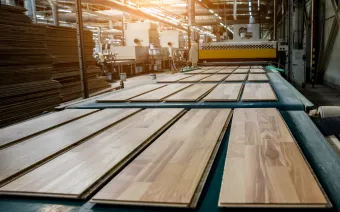
Wood and lumber
Multilayer plywood, solid wood flooring, wooden beams, and wooden pallets.
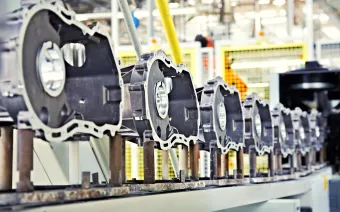
Metal parts
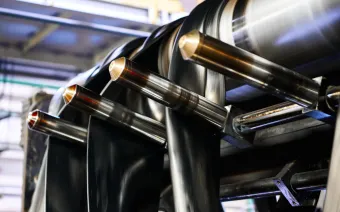
Plastic and rubber
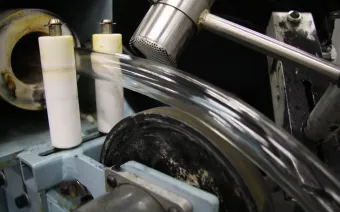
Extruded products
Extruded products can be made of metal, plastic, or rubber. For example, PVC pipes and aluminum profiles for construction or consumer goods.
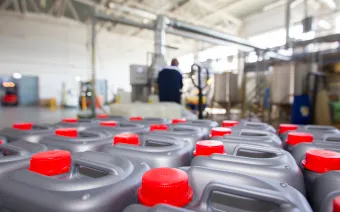
Rigid plastic containers

Glass
This may include containers such as beverage bottles or pharmaceutical vials, as well as components such as glass panels or other consumer goods.

PET bottles
Direct marking vs. labeling
Direct marking applies information directly to the product or packaging using technologies such as CIJ, laser, TTO, or TIJ. It is the preferred method when durability, reliable traceability, and resistance to handling, moisture, or friction are required. It eliminates the need for labels but requires careful selection of the technology and proper integration.
Labeling involves applying a pre-printed or on-demand label. It offers visual flexibility, more space for information and branding, but adds an extra element to the process: the label material. Adhesion, positioning, and inventory become critical factors, especially at high speeds.
In practice, we can see that many applications use a combination of approaches: direct marking for variable data and labels for fixed information. The optimal solution is not a one-size-fits-all approach, but rather the result of striking a balance between technical requirements, costs, and long-term process stability.
Compliance and traceability requirements
Compliance and traceability are not optional in modern manufacturing. They determine whether a product can be sold, shipped, and accepted by customers, retailers, or authorities.
Traceability means the ability to quickly identify which product was manufactured, when, where, and from which batch, as well as to respond in a controlled manner in the event of a non-conformity. An illegible or incorrect code breaks this chain and turns a minor issue into a major operational risk.
Total operating cost
Consumption of supplies
For example, an inkjet system used on a high-speed production line can incur varying costs depending on the type of ink, the frequency of cleaning, and the stability of the operating environment. An unsuitable ink or an incorrect configuration can lead to excessive ink consumption and unplanned downtime.
Downtime
A system that requires frequent intervention for cleaning, adjustment, or restarting can result in significant losses. In practice, a few short shutdowns per day quickly add up to production losses far greater than the price difference between two printers.
Maintenance and Service
And these factors are often underestimated. Access to parts, response times, and local support directly affect costs. Cheaper equipment that lacks local and immediate service can quickly become more expensive than a reliable, well-supported solution.
There are also indirect costs, such as waste caused by unreadable codes, rejections by retailers, or having to relabel products. In regulated industries, these situations can result not only in costs but also in compliance risks.
That is why a proper evaluation of a coding solution must take into account consumables, code stability, and long-term support. A well-chosen solution reduces daily costs, not just the initial investment.
Talk to a specialist
Would you like to discuss a specific application? Our team can help you choose the right solution, tailored to your production process and your goals.
FAQ
What happens if the product or packaging format changes frequently?
Can I use the same marking solution on multiple lines?
How does the development environment affect code quality?
What happens when the code is correct but cannot be read downstream?
Is it necessary to shut down the line to install a marking system?
What data can be updated automatically, without manual intervention?
Most systems can automatically update variable data such as production dates, expiration dates, lot numbers, serial numbers, or barcodes. This information can be generated internally by the equipment or imported from external ERP or production management systems.